대한민국이 ‘세계 1위’에서 당장 내려와야 하는 이유 | 김용 전 세계은행 총재 | #정신건강 #우울 #심리 #MindSOS | 세바시 1816회
The population in Japan roughly double of South Korea, but they are spending 15 times as much
every Korean has the right not to die by suicide and we have to protect that, right?
📌 요약
- 연사의 배경과 경험
- 아이티에서 의료 봉사를 시작해 가난한 지역에서 HIV 치료를 시도.
- 불가능하다고 여겨졌던 HIV 치료를 현실화해 수백만 명의 생명을 구함.
- WHO와 협력해 아프리카에 치료제를 보급, 현재 2천만 명 이상이 치료 중.
- 한국 사회의 변화와 문제
- 과거 전 세계가 주목했던 ‘한국의 기적’에서 이제는 외로움·자살·정신건강 위기가 화두로 전환됨.
- 1인 가구 증가(1970년 0.6% → 최근 35% 이상), 가족 중심 문화 약화, 물질 중심 가치관 확대.
- 한국은 OECD 국가 중 자살률 1위, 청년·노인 모두 높은 수치. 여성 자살률은 OECD 평균의 3배.
- 우울증 비율은 세계 최상위권이지만 항우울제 사용은 최하위.
- 정신건강 위기와 사회적 위협
- 외로움은 수명 단축(하루 담배 15개비 효과와 동일).
- 저출산, 자살, 고립이 맞물리며 한국 사회 존립을 위협하는 수준.
- 한국의 정신건강 예산은 전체 보건 예산의 1.9%로 OECD 평균의 절반 이하.
- 해외 사례와 교훈
- 일본과 영국은 ‘외로움부(Ministry of Loneliness)’를 설치해 성과를 내고 있음.
- 핀란드, 이탈리아 등도 자살률을 성공적으로 낮춘 사례 존재.
- 한국도 이러한 정책을 참고할 필요가 있음.
- 희망과 제안
- 한국은 IMF 위기 당시 금 모으기 운동처럼 위기에 단결해 극복한 경험이 있음.
- 국민이 함께 힘을 모으면 자살·외로움 문제 역시 해결 가능하다고 확신.
- "모든 한국인은 자살하지 않을 권리가 있다"는 인식이 사회 전반에 자리 잡아야 함.
- 마무리 메시지 (나종호 교수 발언)
- 코로나19 시기처럼 연대한다면 정신건강 위기도 극복 가능.
- "괜찮지 않아도 괜찮은 사회, 누구도 죽음으로 내몰리지 않는 사회"를 함께 만들어가자고 호소.
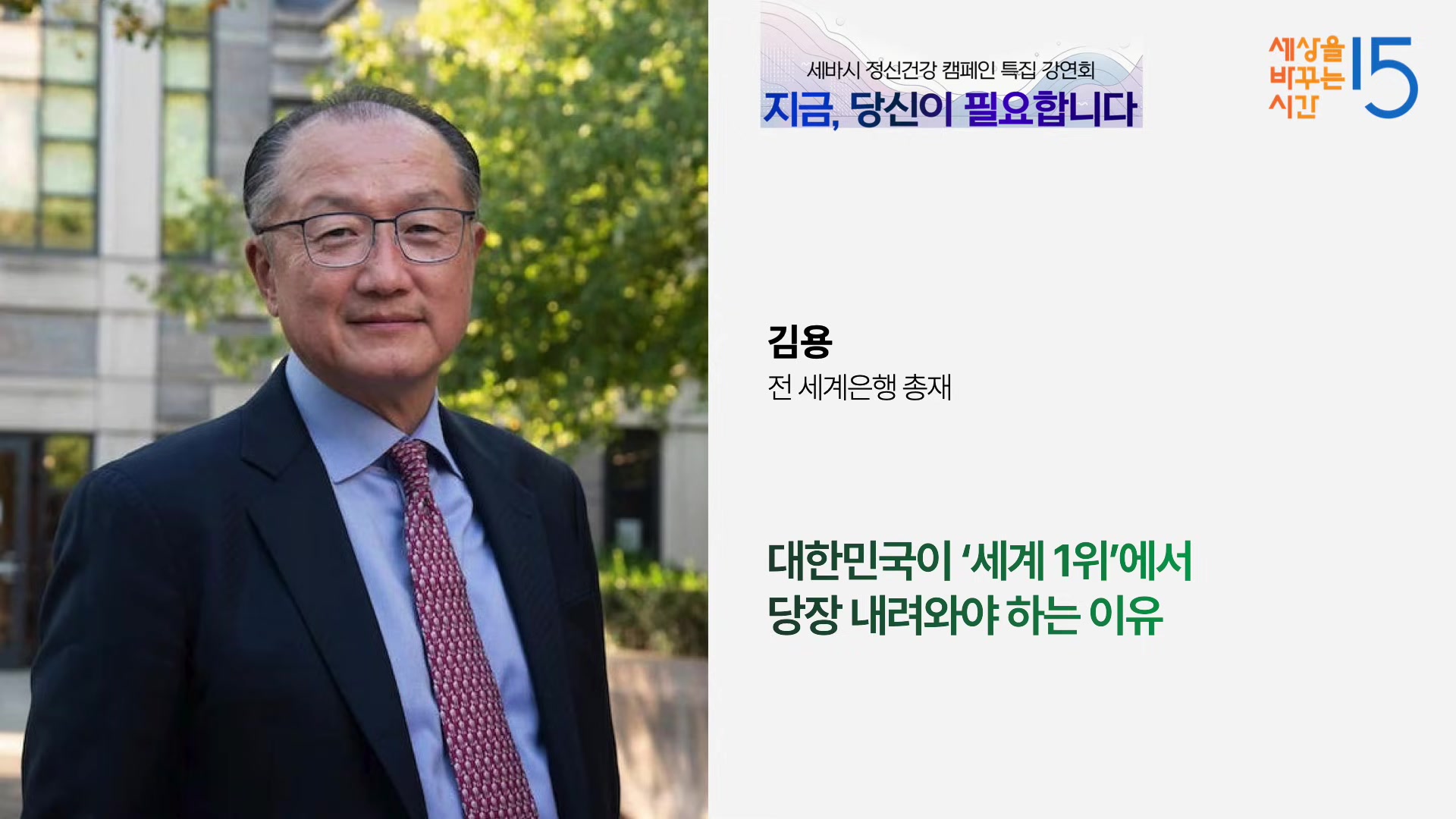
So thank you for coming, and I wanted to talk first a little bit about my life, what I've been doing and why I've ended up coming here to Korea to take on a health problem, this is Haiti and this is me when I was about 27, 28 years old. I started working at a very young age, trying to provide healthcare to some of the poorest people in the world, the Haiti is the poorest country in the Western hemisphere, and the village in which we work was the poorest part.
오늘 이 자리에 와주셔서 감사합니다. 먼저 제 삶에 대해 조금 말씀드리고,
제가 어떤 일을 해왔으며 왜 한국에 와서 건강 문제를 다루게 되었는지 말씀드리겠습니다.

여기 보이는 사진은 아이티이고, 제가 27~28세 무렵의 모습입니다.

저는 아주 어린 나이부터 세계에서 가장 가난한 사람들에게 의료 서비스를 제공하기 위해 일하기 시작했습니다.
아이티는 서반구에서 가장 가난한 나라였고, 우리가 활동한 마을은 그중에서도 가장 가난한 지역이었습니다.
Of Haiti, we tried for many years to provide the best possible health care we tackled many different health problems but when things got really, really difficult. Was when aides came to Haiti, this was really in the 1980s but it kept getting worse and worse and worse and then in 1996 we had new medicines to treat HIV, the medicines were miraculous, they turned people who looked like they were dying. Into normal, healthy-looking people,
아이티에서 우리는 수년간 가능한 최고의 의료를 제공하려고 노력했고, 다양한 건강 문제에 맞섰습니다.
그러나 정말로 힘들어졌던 시기는 에이즈가 아이티에 들어왔을 때였습니다.
이는 1980년대에 시작되었고 상황은 점점 더 나빠졌습니다.
그러다 1996년에 HIV 치료를 위한 새로운 약이 개발되었는데, 그 약은 기적 같았습니다.
죽어가는 것처럼 보이던 사람들을 건강해 보이는 정상적인 모습으로 바꿔주었기 때문입니다.
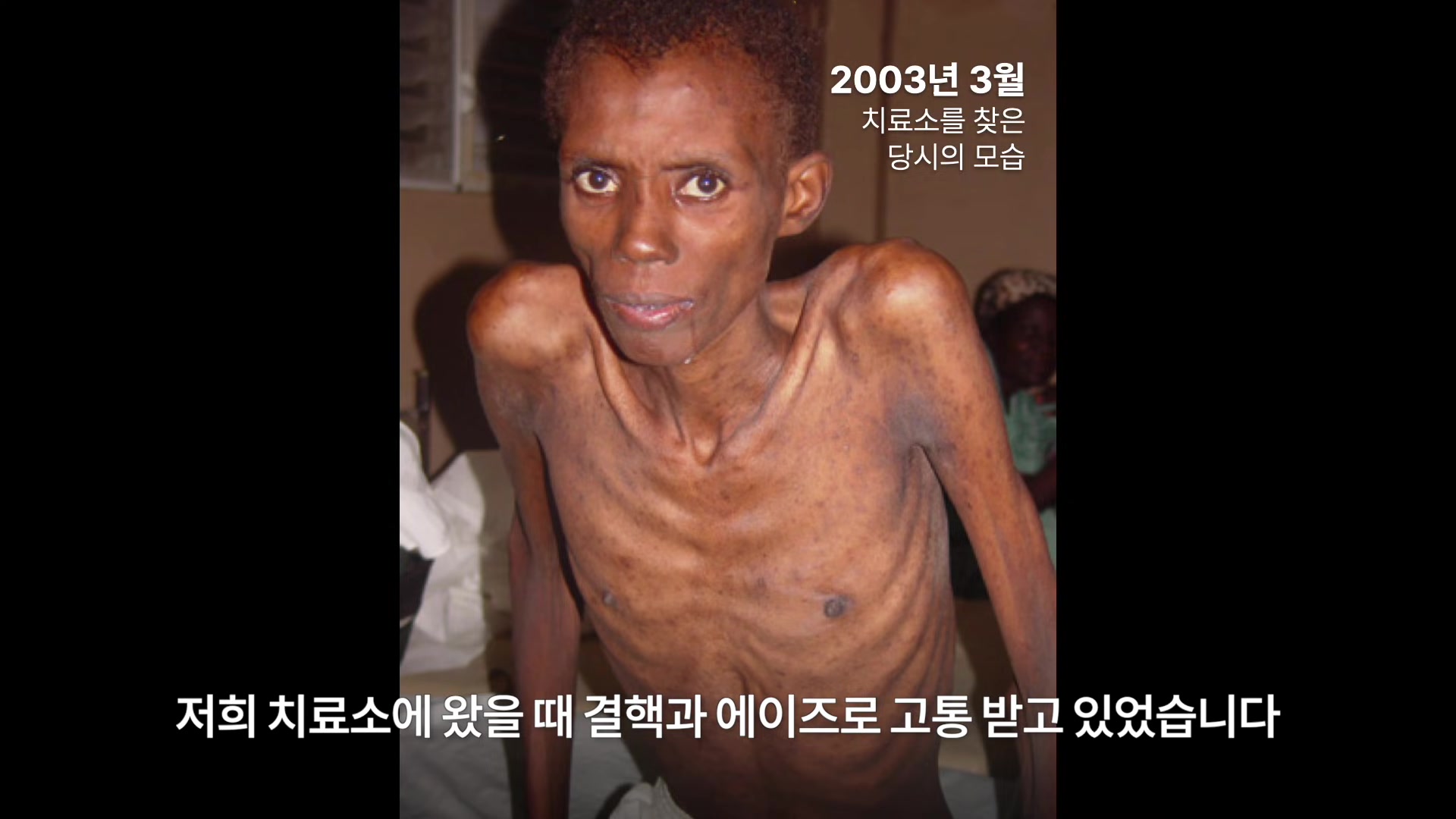
this is Joseph June Joseph came to our clinic, he was suffering from both tuberculosis and HIV.
At this time, in March of 2003, what everyone in the world said was that HIV treatment is too expensive and too difficult to do in poor countries.
so Joseph June, without our intervention, would have been sentenced to death.
이 사람은 조셉 준(Joseph June)인데, 우리 클리닉에 찾아왔을 때 그는 결핵과 HIV를 동시에 앓고 있었습니다.
2003년 3월 당시 전 세계가 말하길, 가난한 나라에서 HIV 치료는 너무 비싸고 어렵기 때문에 불가능하다고 했습니다.
따라서 우리 개입이 없었다면 조셉 준은 단지 아이티라는 나라에서 태어났다는 이유만으로 사형선고나 다름없는 운명을 맞이했을 것입니다.
Not because there was no treatment, but because he happened to have been born in the country, Haiti and so throughout our work and everything we did, our fundamental commitment was that we're going to do things. The poor on behalf of the poor that everyone else says is impossible literally every public health, global health specialist in the world was saying don't even think about treating HIV in poor countries so of course we did and a few months later this is what he looked like.
그가 치료를 받을 수 없었던 이유는 치료제가 없어서가 아니라 단지 아이티라는 나라에서 태어났기 때문이었습니다. 그래서 우리가 일해온 모든 과정 속에서 우리의 근본적인 신념은, 세상 사람들이 불가능하다고 말하는 일을 가난한 사람들을 위해 반드시 해내겠다는 것이었습니다. 당시 전 세계의 공중보건·국제보건 전문가들은 가난한 나라에서 HIV 치료는 절대 시도조차 하지 말라고 했습니다. 하지만 우리는 당연히 시도했고, 몇 달 후 조셉 준의 모습은 완전히 달라졌습니다.
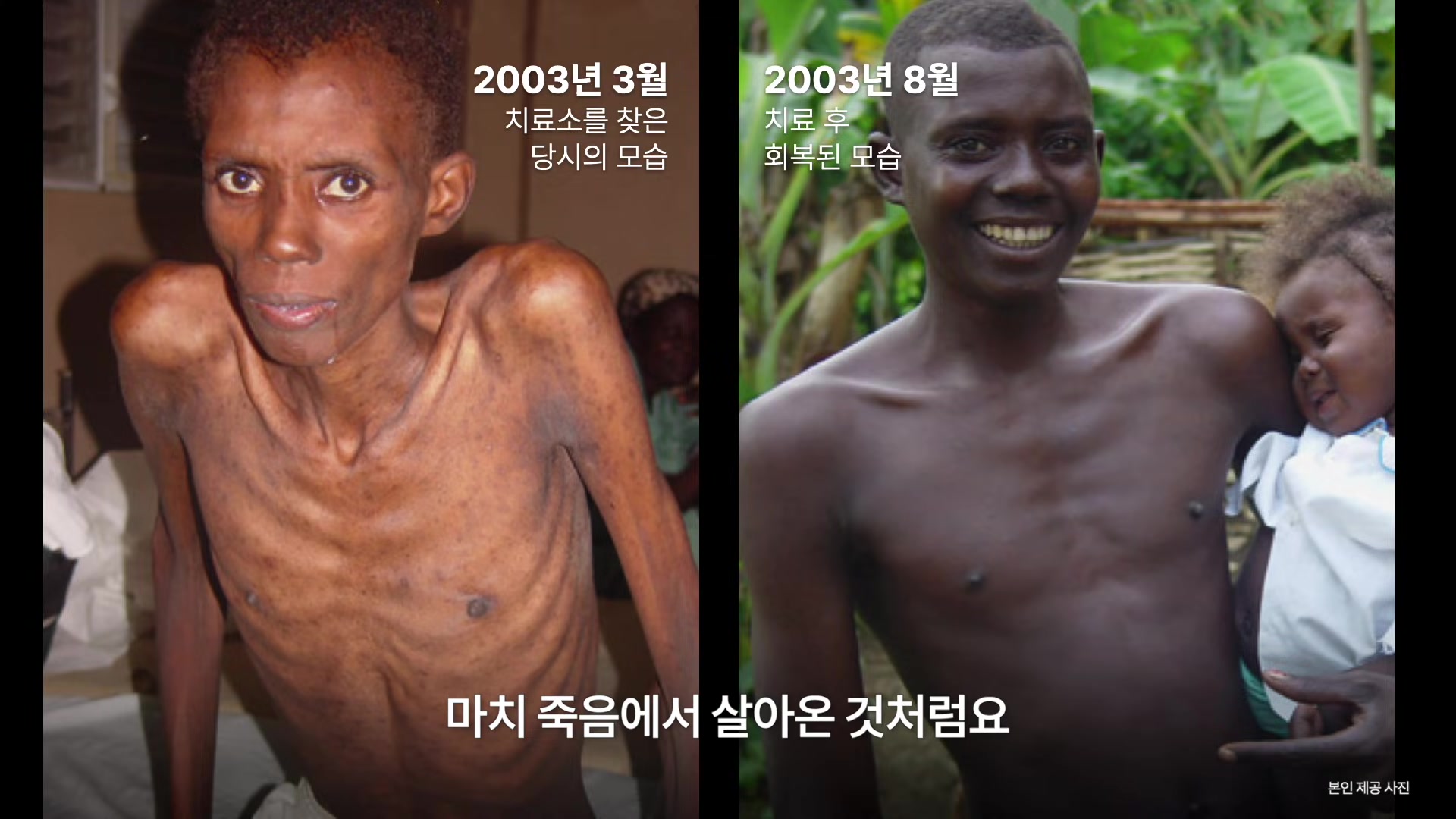
This transformation is called the Lazarus effect, like rising from the dead and these two pictures, the before and after pictures we took and showed to everybody, it did something, it had an effect. In fact, my partner that I started this organization with took these pictures to the White House in Washington, D.C. and showed them to the AIDS of President George W. Bush.
이러한 변화를 “라자루스 효과”라고 부르는데, 마치 죽은 자가 다시 살아나는 것과 같았습니다. 우리는 치료 전후 사진을 찍어 모두에게 보여주었고, 그것은 큰 반향을 일으켰습니다. 실제로 제가 함께 이 조직을 시작한 동료는 이 사진들을 워싱턴 D.C.의 백악관에 가져가 조지 W. 부시 대통령의 보좌관들에게 보여주었습니다.
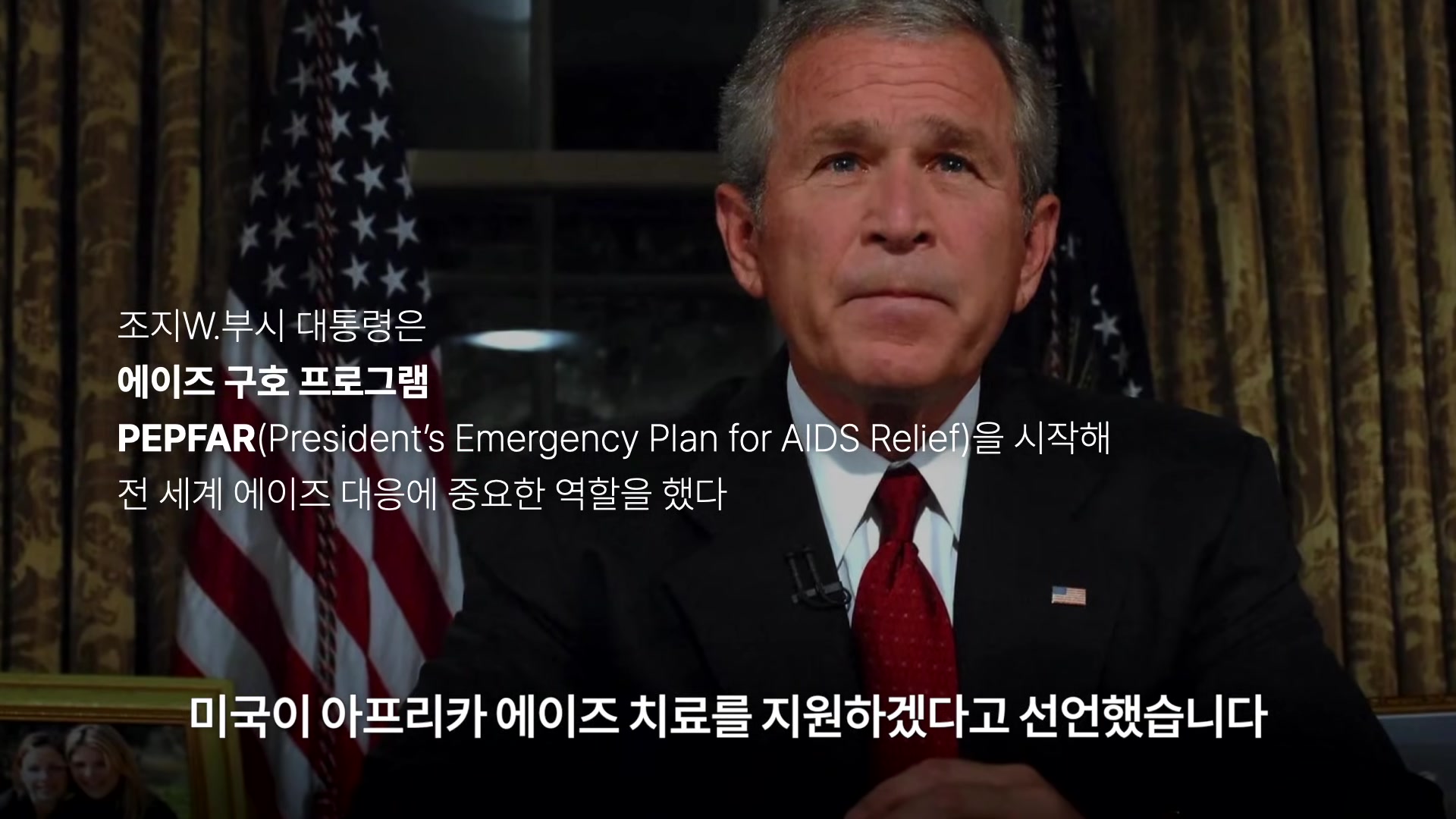
Later, President Bush declared that the United States was going to treat HIV in Africa, so we did have an impact on his decision, but these pictures somehow there was a magic to them right about this time, my good friend Dr. Ejonguk became director. Of the World Health Organization, he asked me to come and join him to work and what we did was we started a campaign we're done arguing about whether or not we're going to treat HIV in Africa,
그 후 조지 W. 부시 대통령은 미국이 아프리카에서 HIV 치료를 시작하겠다고 선언했습니다. 우리는 그의 결정에 영향을 주었습니다. 이 사진들에는 어떤 특별한 힘이 있었던 것이지요. 바로 그 즈음, 제 오랜 친구인 이종욱 박사가 세계보건기구(WHO) 사무총장이 되었고 저를 불러 함께 일하자고 했습니다.

we're going to set a goal, we're going to treat 3 million people this was 2003. By the end of 2005, we're going to treat 3 million people for HIV. When we set this target once again, everybody in the public health world said you're crazy it's not possible Africa is too poor, the drugs are too expensive so what did we do we found a way to lower the drug prices.
우리가 한 일은 논쟁을 끝내고 실질적인 목표를 세우는 것이었습니다. 2003년, 우리는 “아프리카에서 300만 명을 치료하자”라는 목표를 세웠습니다. 2005년 말까지 300만 명의 HIV 환자를 치료하자는 것이었지요. 그러나 또다시 전 세계 공중보건 전문가들은 우리를 향해 “미쳤다, 불가능하다, 아프리카는 너무 가난하다, 약값은 너무 비싸다”라고 했습니다. 그래서 우리가 한 일은 약값을 낮출 방법을 찾는 것이었습니다.
From $12 per person per year to $70 per person per year, we lowered the prices, we got the drugs out, and over that period of time, from 2003 to 2006, the number of people on treatment in Africa went up dramatically.
Today, there are more than 20 million people in Africa on treatment for age.
99.99% of all the doctors in the world said, don't even think about it, it's impossible, don't do it when we went to talk to those people, they absolutely were sure that it was not possible and this is what happened we didn't reach 3 million.
But we went over a million and it gave people the confidence to go forward. the work of my life has been serving poor people, starting in Haiti, but then spreading everywhere.
1인당 연간 1만 2천 달러에서 70달러로 약값을 낮추고 약을 공급했습니다.
그 결과 2003년부터 2006년까지 아프리카에서 치료받는 환자 수가 급격히 증가했습니다.
오늘날에는 아프리카에서 2천만 명 이상이 HIV 치료를 받고 있습니다.
당시 전 세계 의사의 99.99%가 “생각조차 하지 마라, 불가능하다, 하지 마라”고 했지만, 우리는 실제로 그들에게 찾아가 이야기를 했고, 그들은 여전히 불가능하다고 확신했었습니다.
그러나 결과는 달랐습니다. 목표했던 300만 명에는 도달하지 못했지만, 100만 명 이상이 치료를 받게 되었고, 그것은 사람들에게 앞으로 나아갈 자신감을 주었습니다. 제 삶의 일은 가난한 사람들을 섬기는 것이었고, 그것은 아이티에서 시작해 전 세계로 퍼져나갔습니다.
But the real work of my life has been to take on these things that people say are impossible and then when you show, even on a small scale that it is possible, things can grow 20 million people in Africa on treatment, if we had not done it, the economy of sub Saharan Africa could have collapsed. From the weight of HIV,
그러나 제 삶의 진짜 사명은 사람들이 불가능하다고 말하는 일에 도전하는 것이었습니다. 그리고 그것이 비록 작은 규모일지라도 가능하다는 것을 보여주면, 결국 큰 성과로 이어진다는 것을 증명해왔습니다. 아프리카에서 2천만 명이 치료받고 있는 지금, 만약 우리가 그 일을 하지 않았다면 사하라 이남 아프리카의 경제는 HIV의 무게 때문에 붕괴되었을지도 모릅니다.

when I went to the World Bank, I saw this sign, our dream is a world free of poverty.
Everyone asked me about the Korean miracle, how did they do it? I went and saw the Prime Minister of Ethiopia again, one of the poorest countries in the world, a very large, important country in Africa, and when I sat to visit with the Prime Minister, he looked at me and he said, tell me about Semau Undong.
제가 세계은행(World Bank)에 갔을 때 보았던 표어는 “우리의 꿈은 빈곤이 없는 세상”이었습니다.
그리고 많은 사람들이 제게 한국의 기적에 대해 물었습니다. “한국은 어떻게 그 일을 해낸 것인가?”라고요. 저는 다시 에티오피아의 총리를 찾아갔습니다. 에티오피아는 세계에서 가장 가난한 나라 중 하나이면서도 아프리카에서 규모가 크고 중요한 나라입니다. 제가 총리와 만났을 때, 그는 제게 이렇게 말했습니다. “새마을 운동에 대해 들려주시오.”
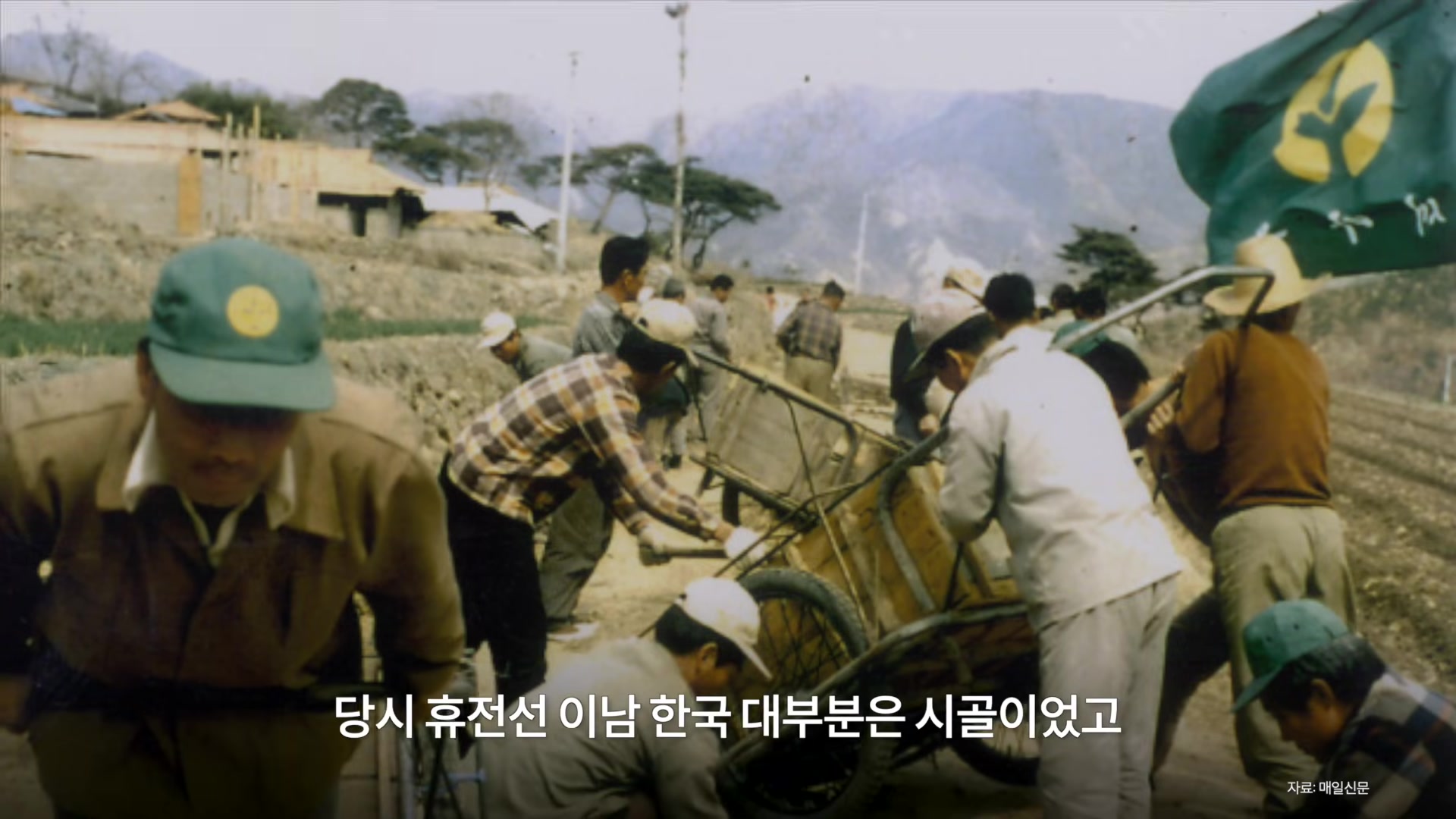
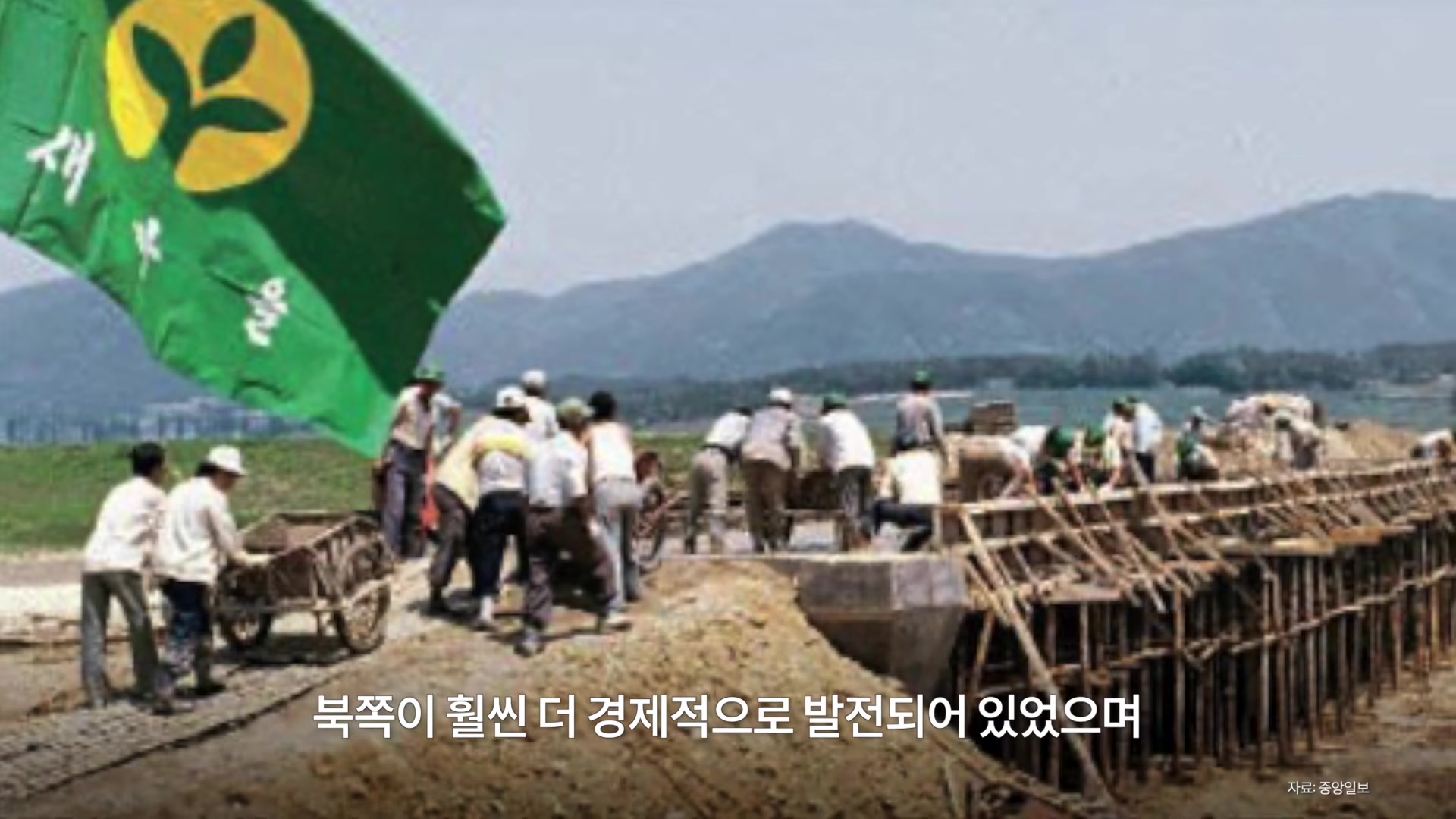

Every one of his ministers had read about Semau Undong had read about the Korean miracle because they knew. Korea south of the 38th parallel was mostly rural, the industrial base was in the northern part the northern part was more educated than the southern part they knew that they started from a very, very difficult situation.
And built this incredible country and so for all the time up until 2019, every time I went to a different country, they wanted to know how did Korea do it, we want to do that, we want part of that.
Unfortunately, lately you've been hearing different kinds of things about Korea, there is a loneliness epidemic in Korea, what do we know about loneliness, first of all, it can affect.
그의 모든 장관들은 새마을 운동과 한국의 기적에 대해 읽어본 적이 있었습니다. 그들은 잘 알고 있었습니다. 38선 이남의 한국은 대부분 농촌이었고, 산업 기반은 북한에 있었으며, 교육 수준도 북쪽이 남쪽보다 높았습니다. 즉, 한국은 매우 어려운 상황에서 출발해 놀라운 나라를 세운 것이었습니다.
그래서 2019년까지 제가 다른 나라를 방문할 때마다, 그들은 늘 물었습니다. “한국은 어떻게 그 일을 해냈습니까? 우리도 그렇게 하고 싶습니다. 우리도 그 기적의 일부가 되고 싶습니다.”
그러나 안타깝게도 최근에는 한국에 대해 다른 이야기들이 들려옵니다. 바로 **외로움의 전염병(loneliness epidemic)**입니다. 우리는 외로움에 대해 무엇을 알고 있을까요?

Many different aspects of your health, blood pressure, you can have the heart disease, I think the one piece of data though, that you should all remember and this was if you answer, yes, I am lonely. The reduction in your lifespan is the equivalent of smoking 15 cigarettes a day.
If you are lonely, your life is directly shortened by as much as three quarters of a pack of cigarettes a day, loneliness is a very serious medical problem and the levels of loneliness in Korea, unfortunately are very high
외로움은 건강의 여러 측면에 영향을 미칩니다. 혈압에도 영향을 주고, 심장병을 유발할 수도 있습니다. 그러나 꼭 기억해야 할 중요한 데이터가 하나 있습니다. “나는 외롭다”라고 대답하는 경우, 기대수명은 하루에 담배 15개비를 피우는 것과 동일하게 단축된다는 사실입니다. 외롭다는 것은 하루 세 갑 중 세 쿼터(¾) 정도의 담배를 피우는 것만큼 수명을 직접적으로 줄입니다. 그만큼 외로움은 심각한 의학적 문제입니다. 안타깝게도 한국의 외로움 수준은 매우 높습니다.
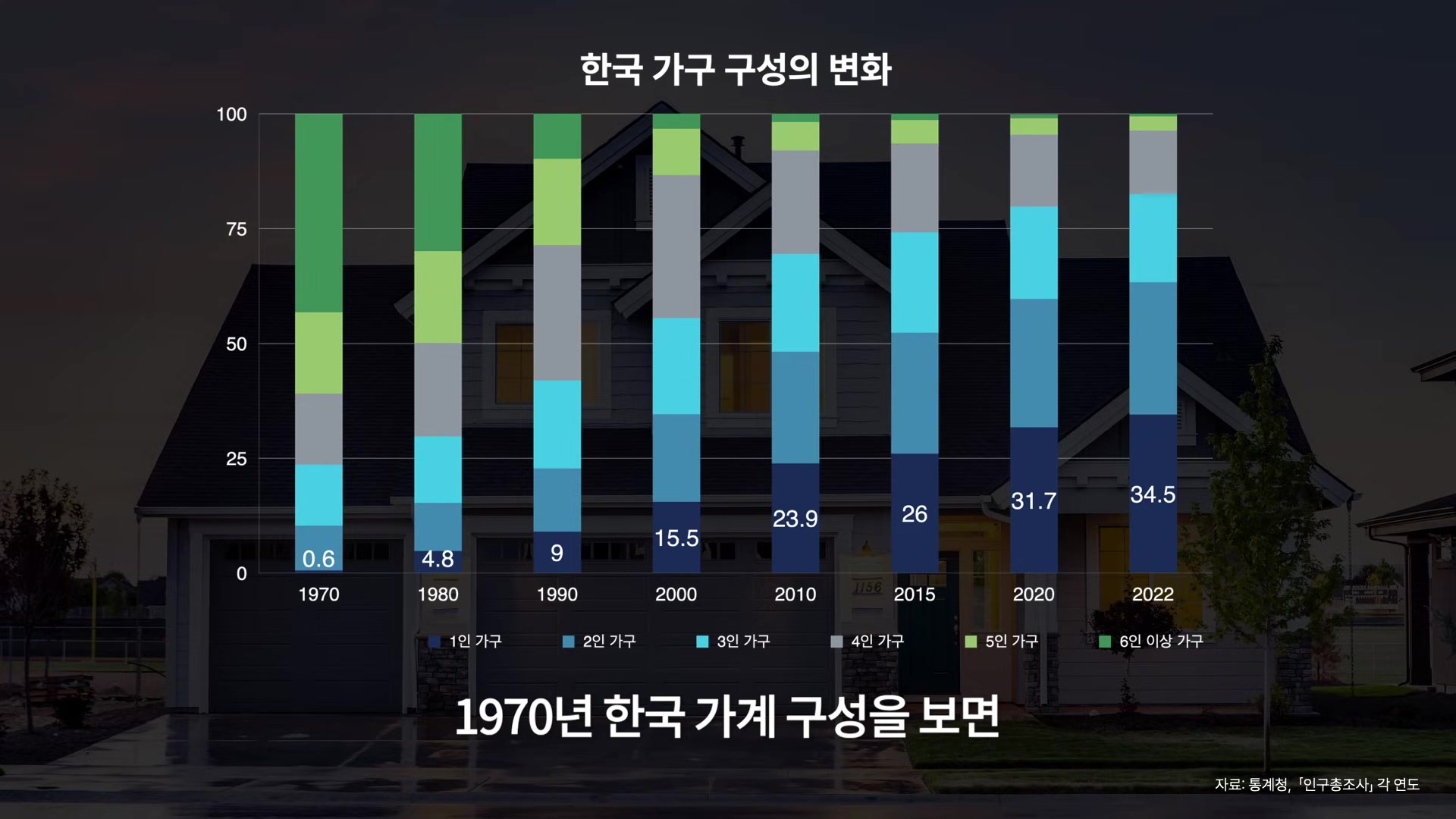
in 1970. The number of people in Korea living in a single person household was 0.6% by 2015, it was over 20% In last few years, it's creeping up now to over 35%.
1970년, 한국에서 1인 가구 비율은 0.6%에 불과했지만, 2015년에는 20%를 넘어섰고 최근 몇 년 사이에는 35% 이상으로 계속 증가하고 있습니다.
So back in 1970, majority of people in Korea lived in households with six people or more, but now close to 40% of people in Korea are living in single person households.
1970년 당시 한국인 대부분은 6인 이상이 함께 사는 대가족 가구에 살았습니다. 그러나 지금은 한국인의 약 40%가 1인 가구에서 살고 있습니다.

Another piece of data in a survey in asking people, what's the most important thing in your life, Korea was the one country that said material. Gain is the most important thing in my life at a higher rate than any other country in the world it was a very simple question do you think that spending time with your family at home brings you joy The average in the world was 33% in Korea, it was 14%.
또 다른 조사 데이터를 보면, “당신 인생에서 가장 중요한 것은 무엇인가?”라는 질문에, 한국은 세계 어느 나라보다도 높은 비율로 “물질적 이익”이라고 답했습니다. 또 아주 단순한 질문, “가족과 함께 집에서 시간을 보내는 것이 기쁨을 준다고 생각합니까?”에 대해 세계 평균은 33%였지만, 한국은 14%에 불과했습니다.
Korea, in my growing up, you think of it as the family-centered place, but these things are changing and I want to remind you that thinking that material gain is the only important thing, living alone, not finding joy and the family, all of these things reduce your life expectancy, there's a direct impact.
제가 자라던 시절의 한국은 가족 중심적인 나라로 여겨졌습니다. 하지만 이제는 상황이 달라지고 있습니다. 물질적 이익만이 중요하다고 생각하는 것, 혼자 사는 것, 가족 속에서 기쁨을 찾지 못하는 것 — 이런 모든 요소들이 수명을 단축시키며 직접적인 영향을 미칩니다.

Unfortunately, the dying alone phenomenon this is now very common among these deaths suicide is at a very high number these are just the data in which Korea is ranking the highest in the Entire world sometimes lithuaneous goes ahead of Korea, but for 20 years Korea has had the highest suicide rate in the world this is among OECD countries there are a few tiny African countries that have a higher rate but they're not part of OECD.
안타깝게도 “고독사(dying alone)” 현상이 이제는 흔해졌고, 자살률 역시 매우 높은 수준입니다. 이러한 데이터들 속에서 한국은 전 세계 최고 수준을 기록하고 있습니다. 때때로 리투아니아가 한국을 앞서기도 하지만, 지난 20년 동안 OECD 국가 중 자살률 1위는 한국이 차지해왔습니다. 몇몇 작은 아프리카 국가들이 더 높은 수치를 기록하긴 하지만, OECD 회원국은 아니기 때문에 비교 대상에서 제외됩니다.

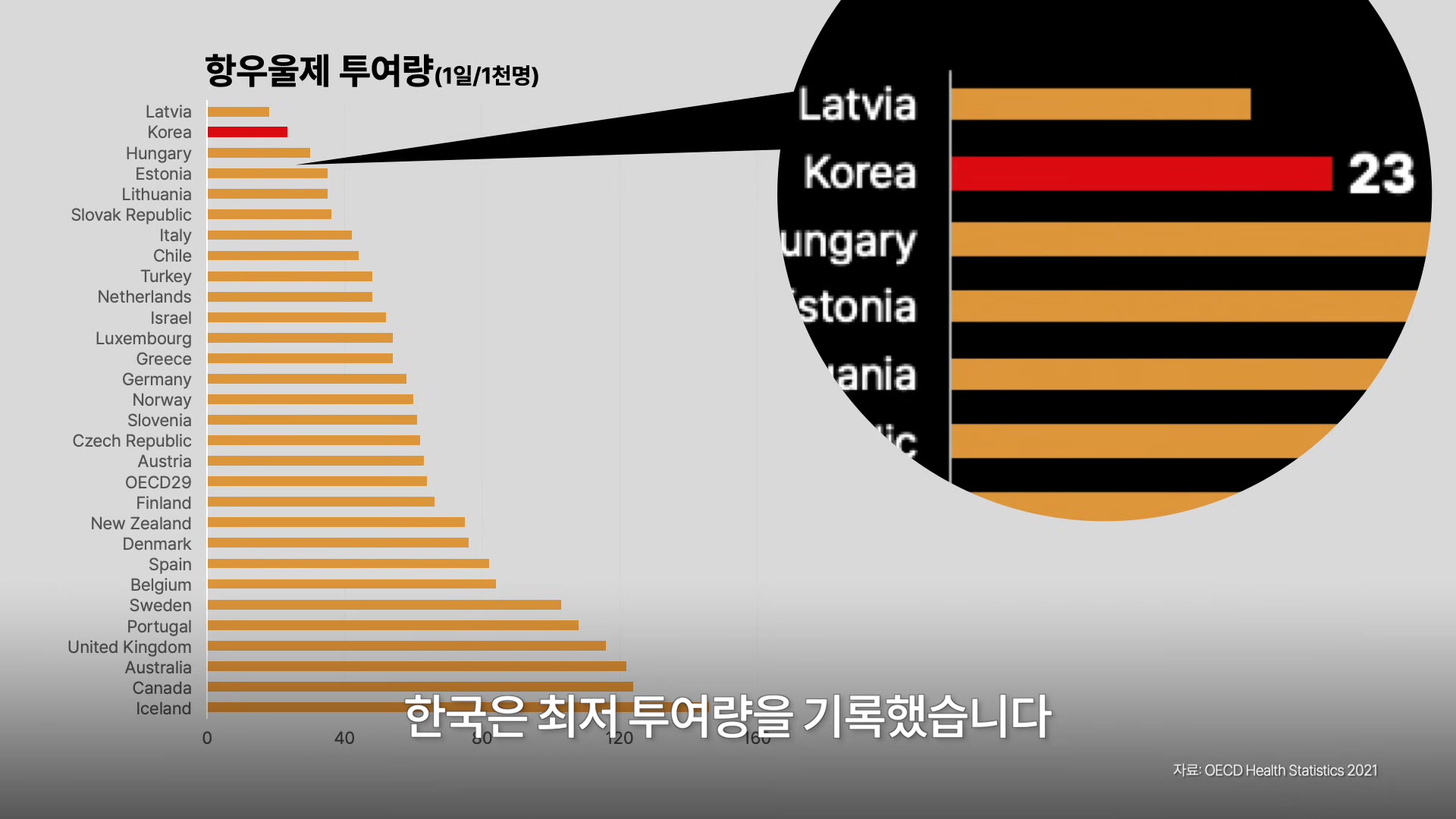
They also did a survey and had estimates of what percentage of the population. Do you think has depression and again Korea was at the very top 37% of adults are thought to be depressed The next question is how many antidepressants are used what is the antidepressant used per population Korea has the The lowest rate of antidepressant use, the highest rate of depression, the lowest rate of antidepressant use, A very concerning factor is that for young people in their teens, 20s and 30s, suicided is the most common cause of death. Korea used to be well known for suicides among elderly people, so right now the suicide rate among those in their 70s and 80s is equivalent to the suicide rate of Jews in concentration camp.
또 다른 조사에서는 인구 중 몇 퍼센트가 우울증을 겪고 있는지 추정했습니다. 여기서도 한국은 최상위에 올랐습니다. 성인의 37%가 우울증을 겪고 있는 것으로 추정된 것입니다.
이어진 질문은 “항우울제가 얼마나 사용되는가?”였습니다. 인구 대비 항우울제 사용량을 보면 한국은 가장 낮은 수준을 기록했습니다. 즉, 우울증 비율은 최고인데 항우울제 사용은 최저인 나라가 한국입니다. 특히 우려스러운 점은 10대, 20대, 30대 젊은 층에서 자살이 가장 흔한 사망 원인이라는 것입니다. 한국은 과거 노인 자살로도 유명했는데, 현재 70대와 80대의 자살률은 제2차 세계대전 당시 강제수용소에 있던 유대인들의 자살률과 맞먹는 수준입니다.
During World War II, so again, extremely high one very disturbing factor, the suicide rate for men in OECD countries is not actually the top, it's second out of all the OECD countries. But the suicide rate for women is by far the highest and it's three times the rate of the average rate of suicide among women in OECD countries. this is something that we've just have to face and have to find solutions to.
제2차 세계대전 당시 상황과 비교해도 한국의 자살률은 여전히 극도로 높습니다. 특히 충격적인 사실은, OECD 국가들 가운데 남성 자살률은 2위에 불과하지만, 여성 자살률은 압도적으로 1위라는 점입니다. 이는 OECD 여성 평균 자살률의 3배에 해당합니다. 우리는 이 현실을 직시하고 반드시 해결책을 찾아야 합니다.

The picture on me talking with the former head of the International Monetary Fund, Christine Lagarde, a very good friend of mine, I was talking on a stage with her about the schooling system in Korea, and I said to her, you know, Christine.
여기 보이는 사진은 제가 IMF 전 총재이자 제 친한 친구인 크리스틴 라가르드(Christine Lagarde)와 대화하는 장면입니다. 저는 그녀와 무대에서 한국의 교육 시스템에 대해 이야기하면서 이렇게 말했습니다. “크리스틴, 있잖아요…”

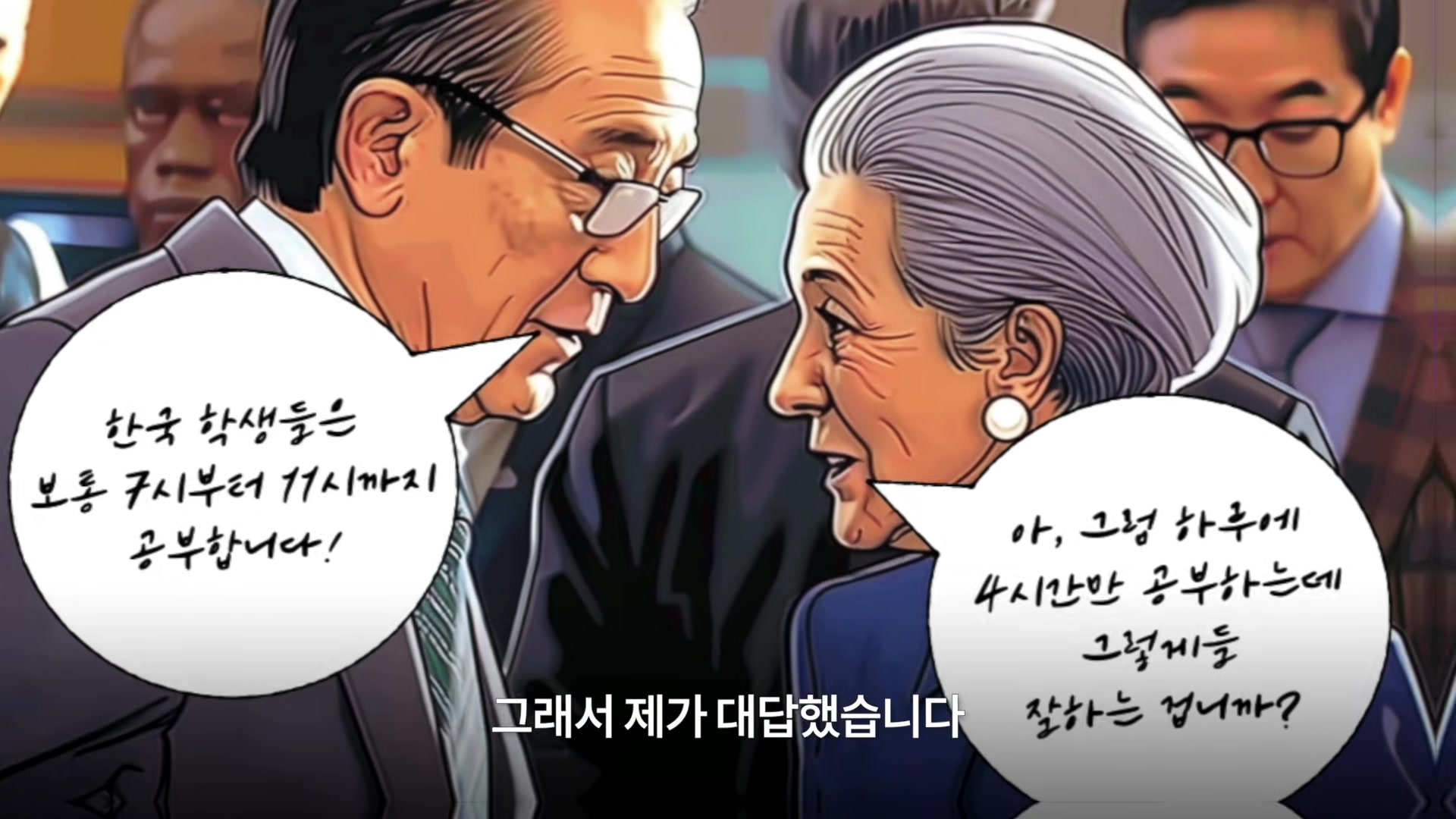
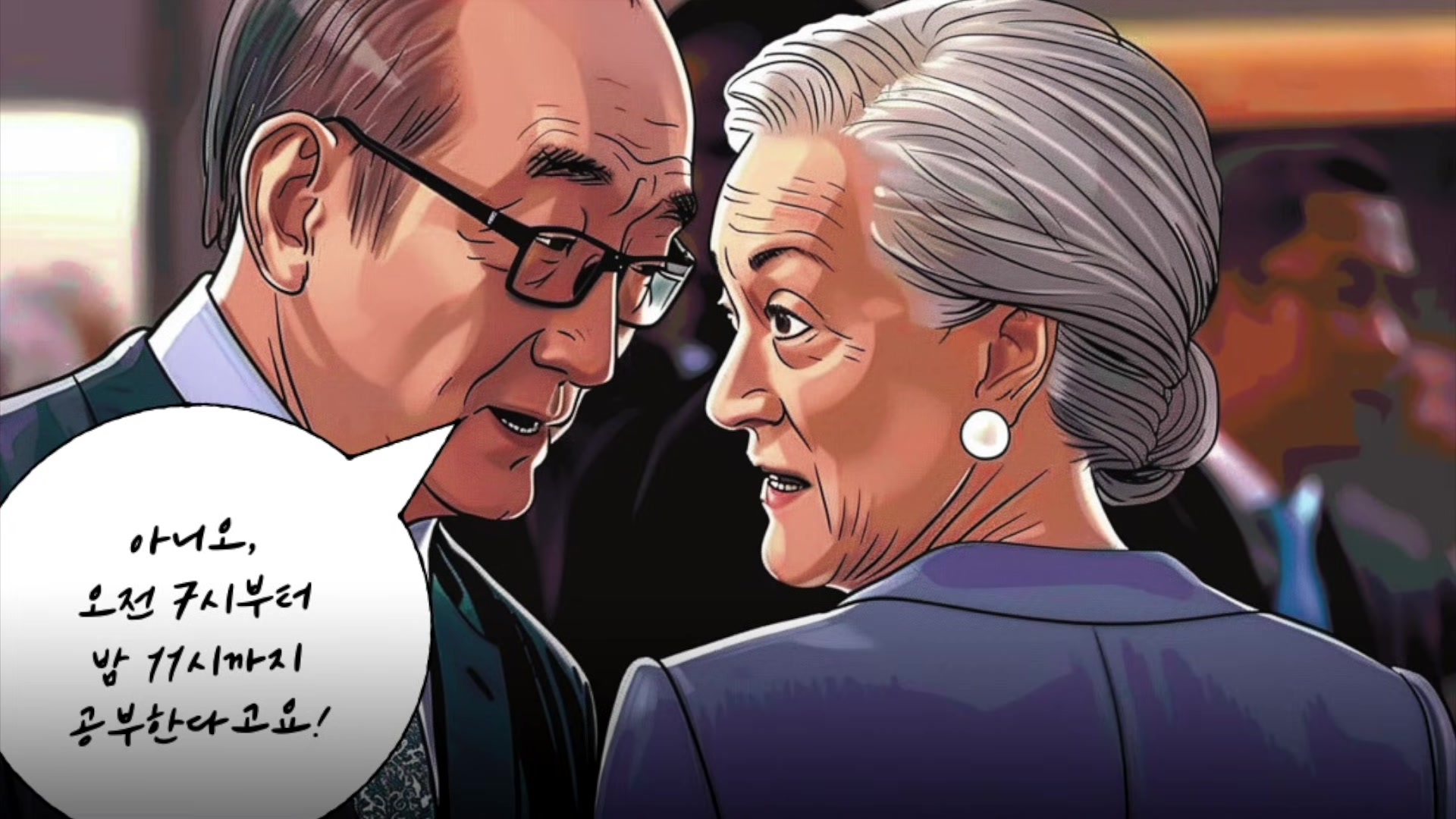
Children in Korea starting maybe in middle school, go to school from 7 to 11 every day, and she looked at me and said, wow, that's amazing, I know that Koreans do so well on standardized testing, how do they do so well, only going to school four hours a day? Inside said, no, Christine, it's seven in the morning to eleven at night, and I then told her about the suicide rate, I told her about all the other things going on in Korea and in 2019, she came here and in a speech She said Korea is becoming the collective suicide society and it's not just the people who actually commit suicide, but all the different social factors are coming together and you know, there's a lot of different reasons for it every age group. Has a different reason for having high suicide rates, I don't think anyone knows exactly why when I talk to people in the United States about the high suicide rate, well, what do you think the reason is?
한국 아이들은 아마도 중학교 때부터 매일 아침 7시부터 밤 11시까지 학교에 다닙니다. 라가르드가 제 말을 듣고 이렇게 말했습니다. “와, 놀랍네요. 한국 학생들이 표준화 시험에서 잘하는 건 알고 있었지만, 하루에 겨우 4시간만 학교에 다니고도 그렇게 잘하는 건가요?” 그래서 제가 “아니에요, 크리스틴. 아침 7시부터 밤 11시까지예요.”라고 대답했습니다. 그리고 저는 그녀에게 한국의 자살률과 다른 여러 문제들을 이야기했습니다. 2019년에 그녀가 한국을 방문해 연설에서 이렇게 말했습니다. “한국은 집단 자살 사회가 되어가고 있다.” 실제로 자살을 하는 사람들만의 문제가 아니라, 다양한 사회적 요인들이 함께 얽혀 만들어진 결과라는 것이지요. 그리고 연령대별로 자살률이 높은 이유는 다 다르기 때문에, 정확한 원인을 한마디로 설명할 수는 없습니다. 미국 사람들과 한국의 높은 자살률에 대해 이야기할 때 제가 “그 원인이 무엇이라고 생각하십니까?”라고 물으면…
The only answer is that it's different for different people, the experts, and I've worked so much now in mental health that I've met a lot of the experts in suicide prevention. Literally every suicide is preventable there are ways to prevent every single suicide yesterday I was at this wonderful meeting with leaders in the mental health field and one gentleman said we have to rethink the whole premise of our approach to suicide we have to Good to go with the conviction that every human, every Korean, has the right not to die by suicide, and we have to protect that, right? You all know that the stigma still very high, one of the people who was at our meeting was a pastor who works directly with the families of those who've committed suicide.
유일한 답은 “사람마다 이유가 다르다”는 것입니다. 저는 정신건강 분야에서 오래 일하면서 자살 예방 전문가들을 많이 만나왔습니다. 그들이 공통적으로 말하는 것은, 모든 자살은 예방 가능하다는 점입니다. 어제도 저는 정신건강 분야의 지도자들과 훌륭한 회의에 참석했는데, 한 참석자가 이렇게 말했습니다.
“우리는 자살에 접근하는 기본 전제를 다시 생각해야 합니다. 모든 인간, 모든 한국인은 자살로 죽지 않을 권리가 있다는 확신을 가지고 접근해야 합니다. 그리고 우리는 반드시 그것을 지켜야 합니다.”
여러분도 잘 아시다시피, 한국에서는 여전히 자살에 대한 **낙인(stigma)**이 큽니다. 어제 회의에 참석한 사람 중에는 자살한 이들의 가족과 직접적으로 함께 일하는 한 목사님도 계셨습니다.
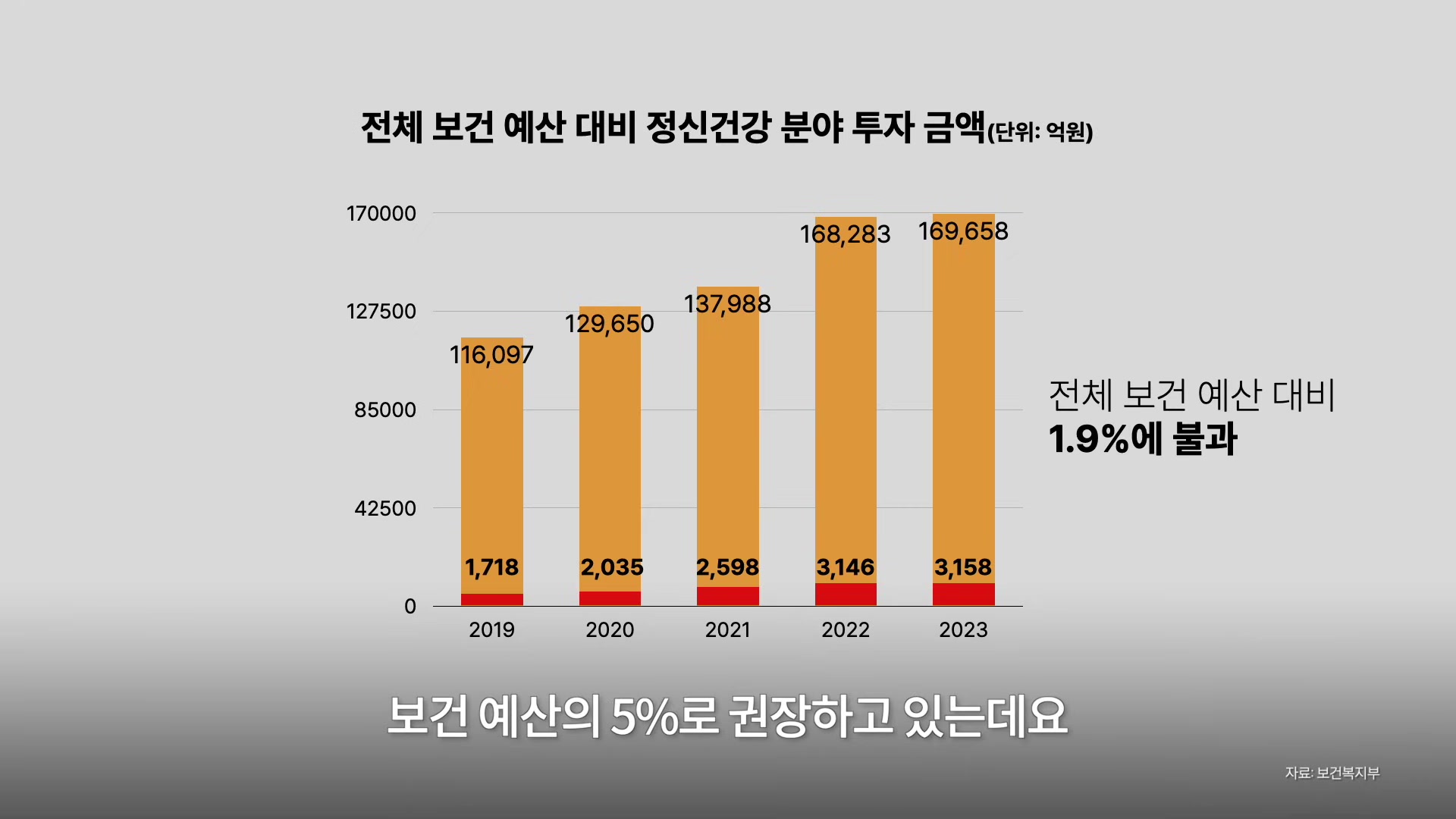
In the United States, I have to say we've come a long way and there's a lot of sympathy for people who have family members who committed suicide, but you all know in Korea, the family members of people who commit suicide are stigmatized, they are suffering terribly the society itself. Doesn't quite know how to handle and so there's so many challenges in taking it forward one of the challenges that's just there's not enough money spent the budget for mental health in Korea is only 1.9% the OECD average is 5% of health budgets are spent on mental health that's even not enough But 1.9% is among the lowest OECD, so Korea has the highest rate of suicide, but the percentage of the budget spent on mental health of all health care dollars is 40% of the OECD average.
미국에서는 자살한 가족을 둔 사람들에 대해 많은 공감과 이해가 쌓여왔습니다. 하지만 한국에서는 자살한 이들의 가족이 **낙인(stigma)**을 찍히며, 큰 고통을 겪고 있습니다. 사회 전체가 이를 어떻게 다뤄야 할지 잘 알지 못하는 상황입니다.
또한 해결해야 할 큰 과제 중 하나는 예산 부족입니다. 한국의 정신건강 예산은 전체 보건 예산의 **1.9%**에 불과합니다. OECD 평균은 5%인데, 사실 5%도 충분치 않은 수준입니다. 하지만 한국은 1.9%로 OECD 최저 수준에 속합니다. 한국은 OECD 국가 중 자살률이 가장 높음에도 불구하고, 보건 예산 중 정신건강에 쓰이는 비율은 OECD 평균의 40% 수준밖에 되지 않습니다.
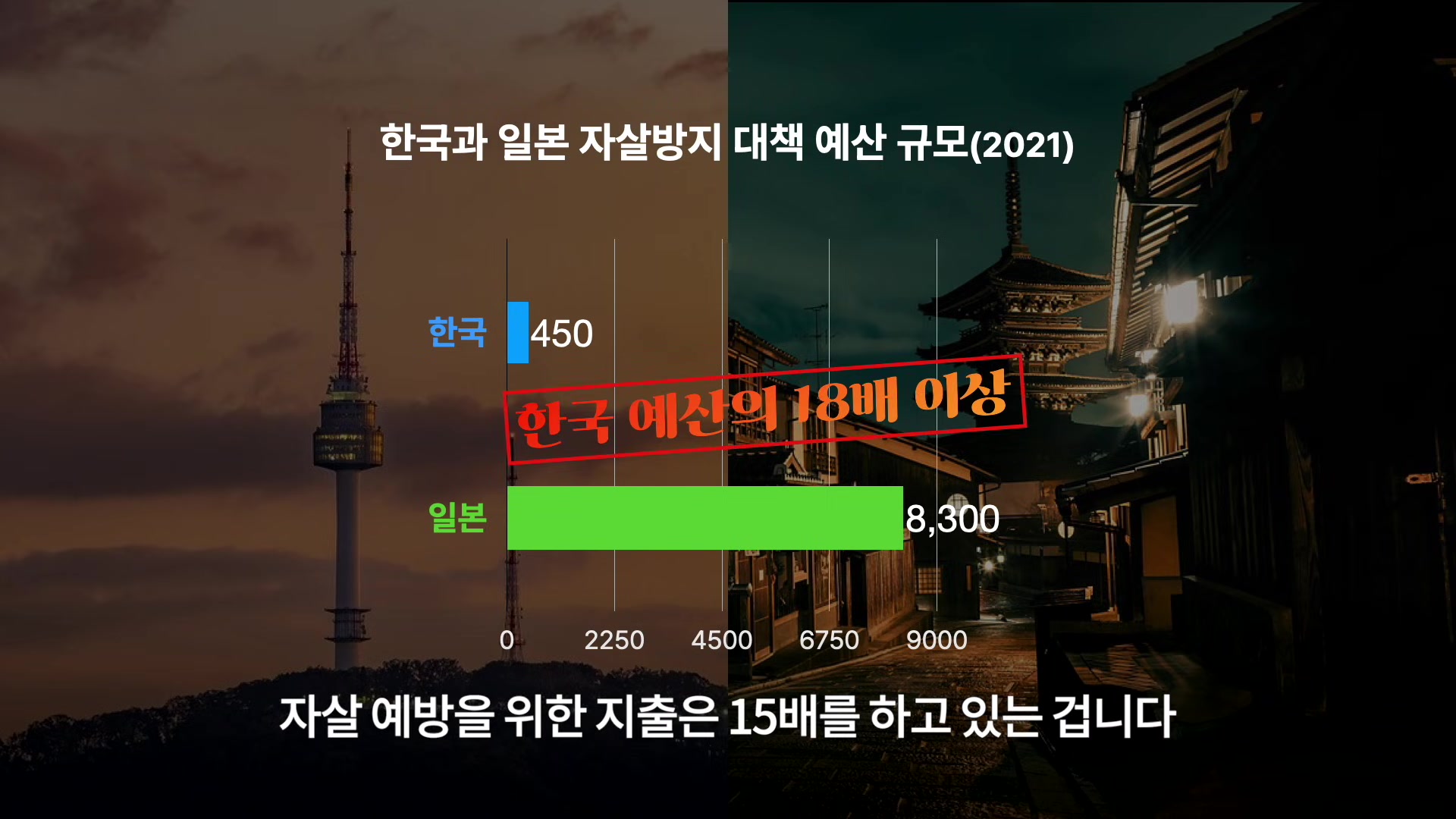

If you look at spending on suicide, it's even worse, Japan spends 15 times more the population in Japan roughly double that of South. But they are spending 15 times as much as Korea on suicide I've shown this chart to very, very high ranking government officials, Japan used to have double the suicide rate of Korea and you can see that the graphs just crossed and now Korea's suicide rate is much, much higher than Japan's, but the good news is that over 20, 30 years, Japan has shown us that you can actually lower the suicide rate, you can even tackle loneliness. Japan is one of the few countries that has a ministry of loneliness. The United Kingdom and Japan both have ministries of loneliness and it seems that they've been having some good outcomes, it's something that Korea absolutely should consider.
자살 관련 지출만 따져보면 상황은 더 심각합니다. 일본은 한국보다 인구가 약 두 배 많지만, 자살 문제 해결에 한국의 15배를 지출합니다. 저는 이 통계를 한국의 고위 관료들에게 직접 보여주었습니다. 과거 일본의 자살률은 한국의 두 배였지만, 지금은 그래프가 교차하면서 한국의 자살률이 일본보다 훨씬 높아졌습니다.
하지만 좋은 소식도 있습니다. 일본은 지난 20~30년 동안 실제로 자살률을 낮추는 데 성공했습니다. 나아가 외로움 문제까지 다루고 있습니다. 일본은 **외로움부(Ministry of Loneliness)**를 둔 몇 안 되는 나라 중 하나이며, 영국 역시 같은 부서를 설치했습니다. 그리고 그 결과가 긍정적으로 나타나고 있습니다. 한국도 반드시 이런 제도를 고려해야 합니다.

I usually spend my time in Africa, in Rwanda, in Haiti, those are the places where the healthcare needs are most urgent, and so I still spend a lot of time in Africa trying to improve healthcare, but I really want to bring this to everyone's attention because this situation is urgent. And if you link this, which I think it's very easy to do, if you link the mental health issues with the low birth rate, you know, the birth rate in Korea is the lowest ever recorded in human history, the birth rate in Korea now is lower than during the play. In Europe hundreds of years ago, it's the lowest it's ever been, and so if you have a population demographic collapse on top of a suicide epidemic, that's the worst in the world, on top of a loneliness epidemic, that's also among the worst in the world, this is a fundamental existential threat.
저는 보통 르완다나 아이티 등 아프리카에서 시간을 보냅니다. 그곳들은 의료가 가장 절실히 필요한 곳이기 때문에 지금도 많은 시간을 아프리카에서 의료 개선을 위해 쓰고 있습니다. 그러나 오늘 이 문제를 반드시 강조하고 싶습니다. 왜냐하면 지금 한국의 상황은 매우 시급하기 때문입니다.
정신건강 문제를 저출산 문제와 연결해서 생각해보면, 한국의 출산율은 인류 역사상 최저 수준입니다. 지금 한국의 출산율은 수백 년 전 유럽에서 흑사병이 돌던 시기보다도 낮습니다. 그래서 만약 인구 붕괴가 세계 최악 수준의 자살 위기와 맞물리고, 여기에 세계 최악 수준의 외로움 위기까지 겹친다면, 이는 한국 사회의 근본적인 **존재적 위협(existential threat)**이 될 수 있습니다.
To this country, that's why I'm here, but I also want to say there are so many things that can be done we all know that that social determines, you know, things like poverty, unemployment. Gender inequality, these are things that have to be addressed and we know what these issues are and they are in fact addressable. there are many other great examples of countries that have taken on suicide race and gotten better, Finland has done much better, Italy has has done better, there's so many Good examples, we need to bring them to Korea and implement them not only to tackle suicide but also to tackle loneliness and even I would argue to tackle the low birth rate.
그래서 제가 한국에 온 이유가 바로 이것입니다.
그러나 동시에 말씀드리고 싶은 것은, 우리가 할 수 있는 일들이 매우 많다는 점입니다.
우리는 모두 잘 알고 있습니다. 빈곤, 실업, 성불평등 같은 사회적 요인들이 문제이며, 반드시 해결되어야 한다는 사실을요.
그리고 그것들은 실제로 해결 가능한 문제들입니다.
자살 문제를 개선해 성공한 나라들의 좋은 사례도 많습니다.
예를 들어, 핀란드는 훨씬 더 나아졌고, 이탈리아 역시 개선된 결과를 보여주었습니다.
이런 좋은 사례들을 한국에 도입해 실행해야 합니다.
그것은 단지 자살 문제뿐만 아니라, 외로움 문제, 더 나아가 저출산 문제까지 함께 다룰 수 있는 길이 될 것입니다.
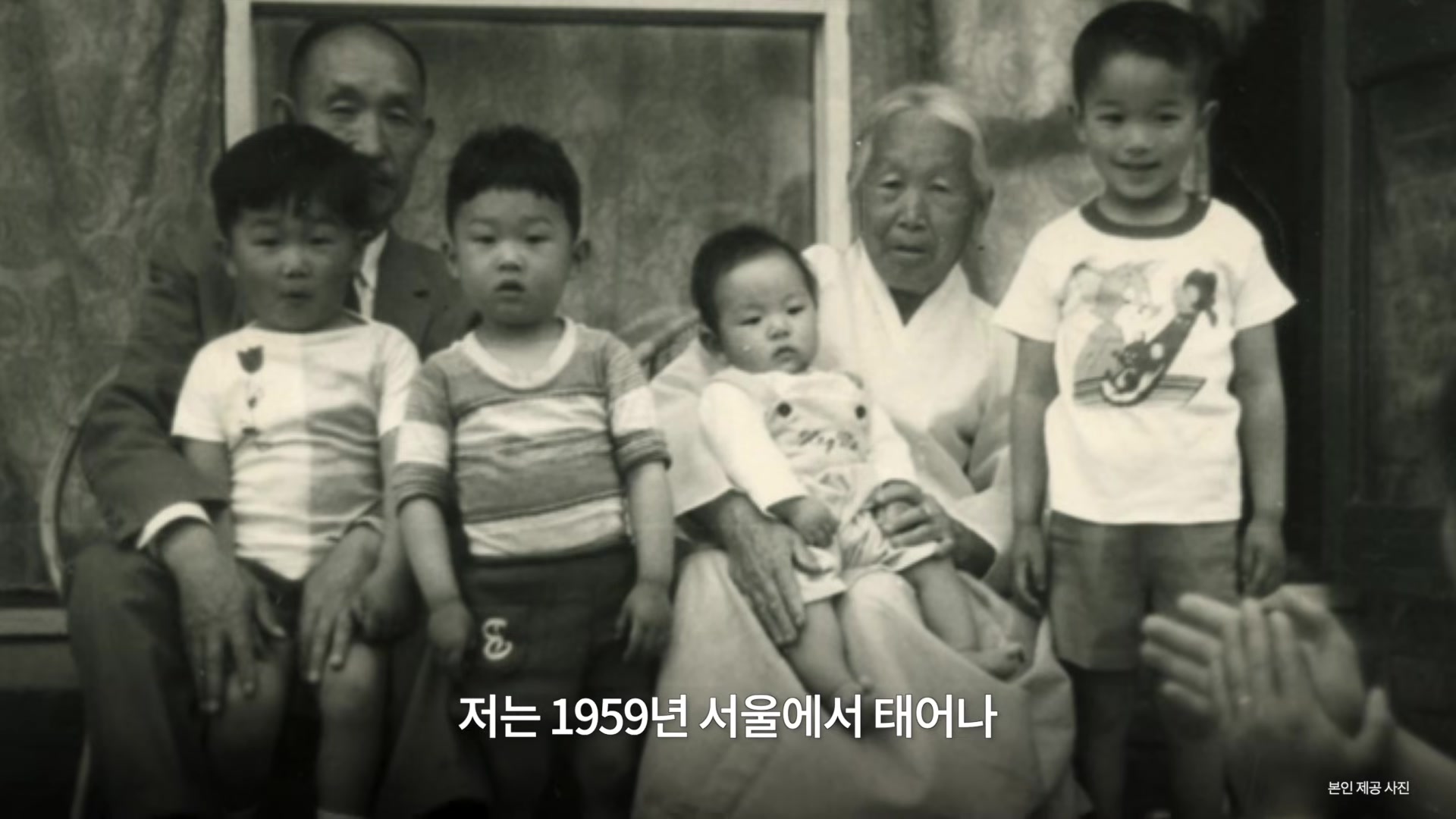
In 1959, I was born in Seoul and I lived here from the time I was born to when I was five years old, and when I became president of the World Bank, the vice president for East Asia, put a packet on my desk and on top of it he wrote. Funny how wrong we get it sometimes, because in that packet of papers was all the things that the World Bank was saying about Korea in 1959, the World Bank loans to everybody, but Korea was not eligible for a World Bank loan until 1963 because the World Bank thought that Korea was too poor. They thought that Korea had no chance of paying back any loan, that the only way they would be able to survive would be direct infusions of cash from countries like the United States, the average number.
저는 1959년 서울에서 태어나 다섯 살 때까지 한국에서 살았습니다. 나중에 제가 세계은행(World Bank) 총재가 되었을 때, 동아시아 담당 부총재가 제 책상 위에 자료 뭉치를 올려놓으며 이렇게 적어두었습니다.
“우리가 때때로 얼마나 잘못된 판단을 하는지 보라.”
그 자료에는 1959년 당시 세계은행이 한국에 대해 평가한 내용이 담겨 있었습니다.
세계은행은 대부분의 나라에 대출을 해주었지만, 한국은 1963년까지 세계은행 대출 자격조차 없었습니다.
세계은행은 한국이 너무 가난해서 어떤 대출도 상환할 수 없다고 생각했기 때문입니다.
한국이 살아남을 수 있는 유일한 방법은 미국 같은 나라에서 직접적인 현금 지원을 받는 것뿐이라고 여겼습니다.
Children per woman over six, right, so there were six children per woman in 1959, the GDP per capita of Korea was lower than Somalia, was lower than Ghana, one of the poorest countries in the world. And then the explosion of development and growth that again caused every leader in Africa to beg me to tell them the secret of Korea, how can we capture that secret I'm here to tell you that Korea's Growth and including its economic growth is fundamentally threatened by these mental health issues, but as I look at the history of Korea, there are so many examples of Korean people coming together in difficult times and doing things that nobody expected.
1959년 당시 한국의 합계출산율은 여성 1인당 6명 이상이었고, 1인당 GDP는 소말리아보다 낮았으며, 세계에서 가장 가난한 나라 중 하나인 가나보다도 낮았습니다. 그랬던 한국이 폭발적인 발전과 성장을 이루었고, 그래서 아프리카의 지도자들이 저에게 늘 “한국의 비밀을 알려 달라, 우리도 그것을 배우고 싶다”라고 요청하곤 했습니다.
하지만 제가 지금 전하고 싶은 말은, 한국의 성장 — 경제 성장을 포함한 이 모든 성취가 지금은 정신건강 문제로 인해 근본적으로 위협받고 있다는 것입니다. 그러나 동시에 한국의 역사를 돌아보면, 한국인은 어려운 시기에 함께 힘을 모아 세상이 놀랄 만한 일을 해낸 수많은 사례들이 있었습니다.
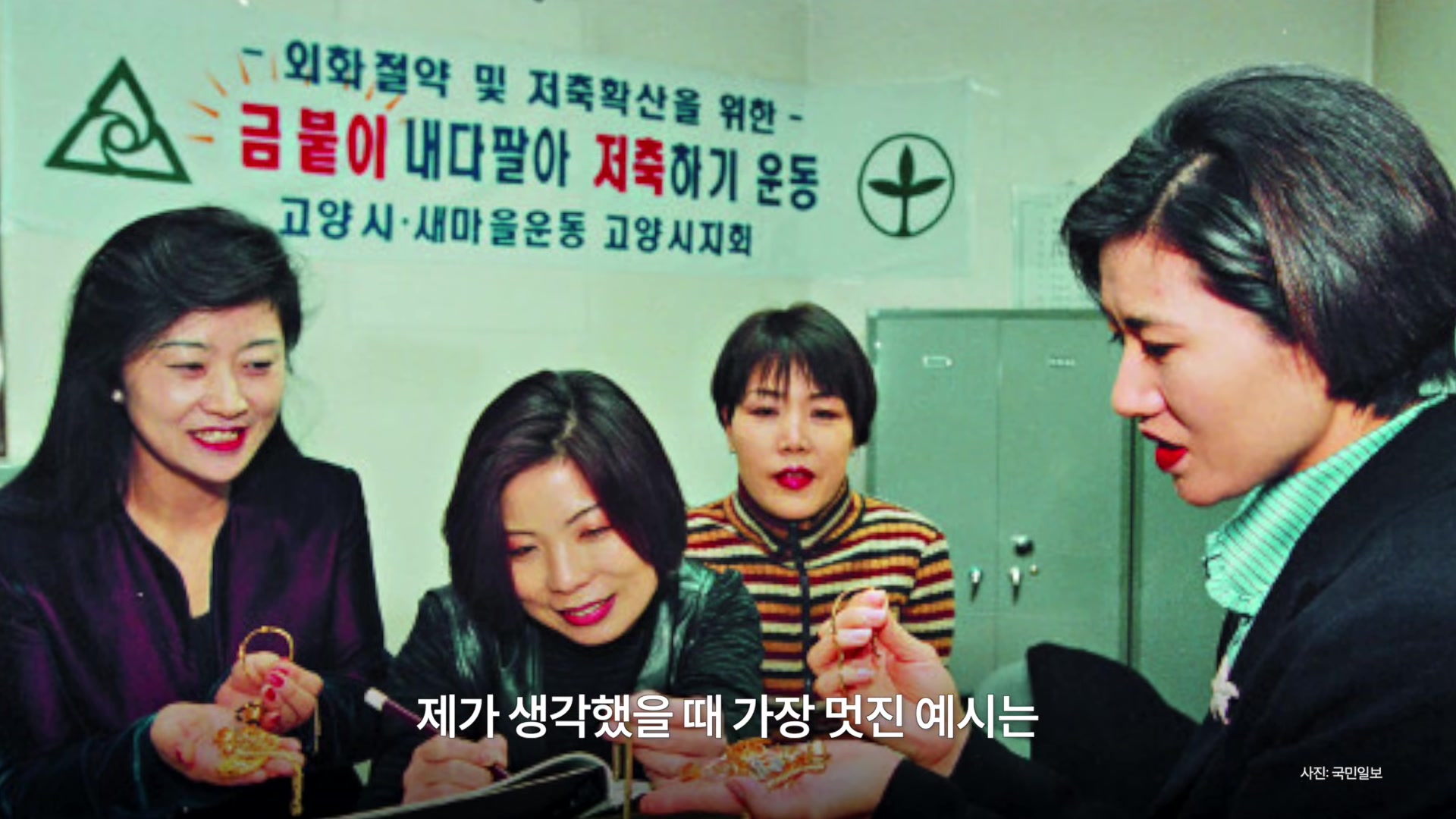


I think the most extraordinary example is the Kummogi undong, right, I didn't know about this until I went to the World Bank, but we were facing crises in Greece, we're facing crises in Jamaica, and then someone just came out to me and said, hey. They just donate their gold like Korea did, and I didn't know the history of it, and then I and then I read it, 3.5 million people donated their gold to this cause that resulted in a total collection of over 2 billion. US dollars and that led to the shortening of the time it took them to repay the IMF loan from six years to three years, which had a huge impact on future economic growth and we've looked in history and asked ourselves.
제가 생각하기에 가장 놀라운 사례는 바로 **금모으기 운동(Kummogi undong)**입니다. 사실 저는 세계은행에 가기 전까지 이 운동에 대해 알지 못했습니다. 당시 우리는 그리스와 자메이카의 경제 위기를 다루고 있었는데, 누군가 저에게 “그냥 한국처럼 금을 모으게 하면 되지 않나?”라고 말했습니다. 저는 그때까지 그 역사를 몰랐습니다. 이후 자료를 읽어보니, 무려 350만 명이 금을 기부해 총 20억 달러 이상을 모았습니다.
그 결과 IMF 차입금을 상환하는 데 걸린 기간이 6년에서 3년으로 단축되었고, 이는 한국의 미래 경제 성장에 막대한 영향을 주었습니다. 그래서 우리는 역사 속에서 이런 질문을 던졌습니다.
Has that ever been done before in the time of an economic crisis we can't find a single example of this having happened in the past and so when I see things like this yeah, there are people who are cynical well, you know, it didn't have to say I'm telling you I've never seen anything like this. And in financial economic development circles, this is legend you want to see an example of patriotism look at South Korea, this was what everyone was saying. Let's ask the Greeks to do it, let's ask the Jamaicans to do it, of course they didn't from the year I was born, extreme poverty all around to incredible economic growth and now we're seeing some of the side effects of this rapid economic growth, but just like Koreans responded during the IMF period.
“경제 위기 때 이런 일이 과거에도 있었을까?”라고 물었을 때, 우리는 역사 속에서 단 하나의 사례도 찾을 수 없었습니다. 그래서 제가 이런 사례를 볼 때마다, 일부는 냉소적으로 “꼭 그럴 필요는 없었다”고 말하지만, 저는 단언합니다. 이런 일은 전례가 없습니다.
재정·경제 개발 분야에서는 이것이 전설로 불립니다. 애국심의 예를 보고 싶다면 한국을 보라는 것입니다. 모두가 이렇게 말했습니다.
“그리스인들에게 해보라고 하자, 자메이카인들에게 해보라고 하자.”
하지만 그들은 하지 않았습니다.
제가 태어난 해만 해도 한국은 극도의 빈곤에 처해 있었지만, 그 후 놀라운 경제 성장을 이루었습니다. 그리고 지금 우리는 그 급속한 경제 성장의 부작용을 목격하고 있습니다. 하지만 IMF 시절 한국인들이 단결해 대응했던 것처럼…
I have absolute faith that this is a problem that we can handle my role is simply to continue to bring it up to say I'm not judging Korean society, I'm just presenting to you the data that's out there, everybody has this data we all know that this is real. I remain extremely proud of being Korean and being a part of the Korean diaspora. I'm very worried about the current situation, but I also have enormous faith in the Korean people to solve this issue.
Thank you very much.
저는 이 문제가 충분히 해결 가능한 문제라고 굳게 믿습니다. 제 역할은 단지 이 문제를 계속 제기하는 것입니다. 저는 한국 사회를 비판하는 것이 아니라, 이미 존재하는 데이터를 보여드릴 뿐입니다. 이 데이터는 모두가 알고 있고, 모두가 실제라고 인정하는 것입니다.
저는 여전히 한국인이라는 사실, 그리고 한민족의 일원이라는 사실을 매우 자랑스럽게 생각합니다. 현재 상황이 크게 우려되지만, 동시에 한국 국민이 이 문제를 반드시 해결할 것이라는 커다란 믿음을 가지고 있습니다.
감사합니다.
'YouTube > 세바시' 카테고리의 다른 글
| 세바시 1818회⚡'미래의 기원' 저자, 카이스트 총장이 밝히는 성장의 원리 | 이광형 KAIST 총장 (0) | 2025.09.05 |
|---|---|
| 세바시 1817회 🧠 진짜 자기계발은 마음의 근육을 튼튼히 만드는 일입니다 | 박상미 한양대학교 일반대학원 협동과정교수 (0) | 2025.09.04 |
| 세바시 1815회 🆘 마음의 구조신호에 귀기울여 주세요 | 장동선 뇌과학자 (1) | 2025.09.03 |
| 세바시 1814회 | 우울증과의 위험한 동거 7년, 기적적인 탈출 스토리 | 최의종 작가 (2) | 2025.09.02 |
| 세바시 1813회 | 마음이 어려운 사람에게 당신이 명의가 되는 법 | 이서정 청소년 피어 스페셜리스트 (2) | 2025.09.01 |


